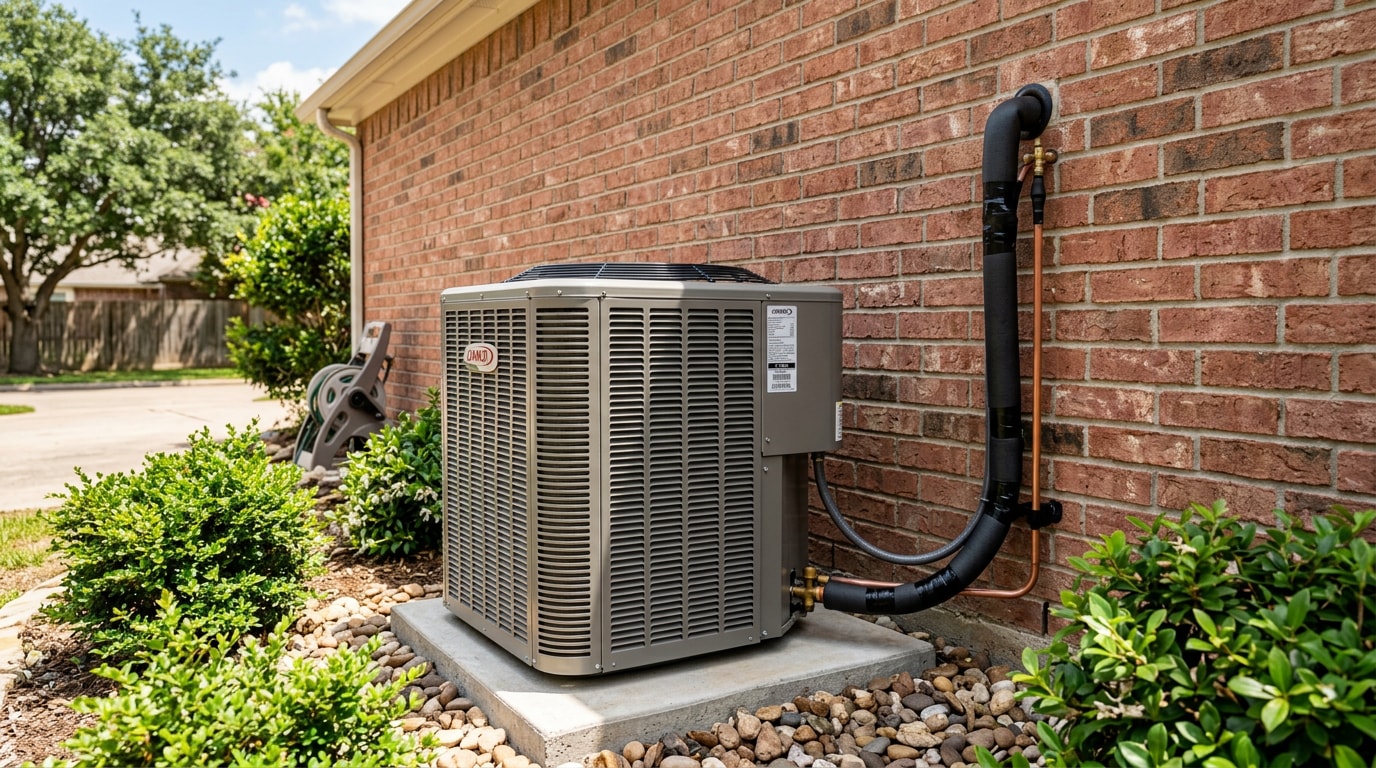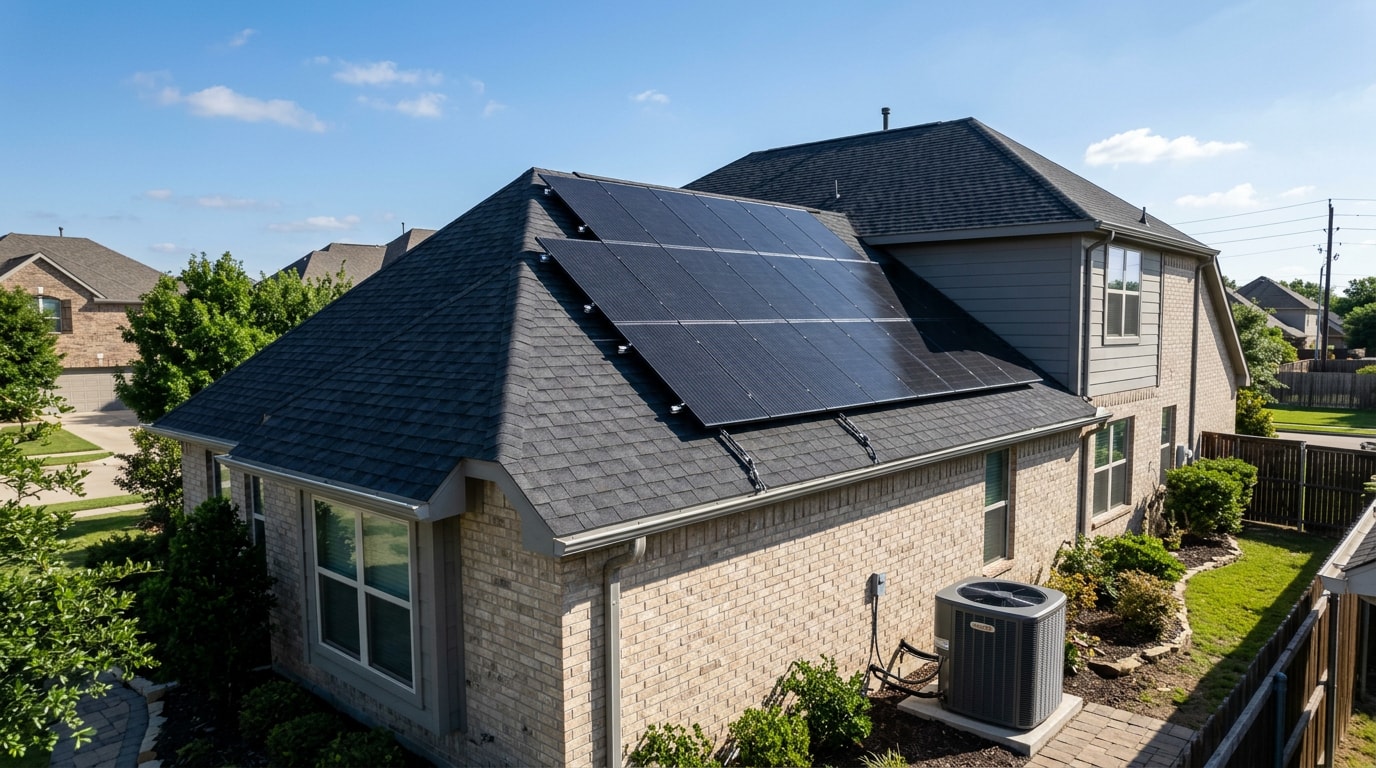
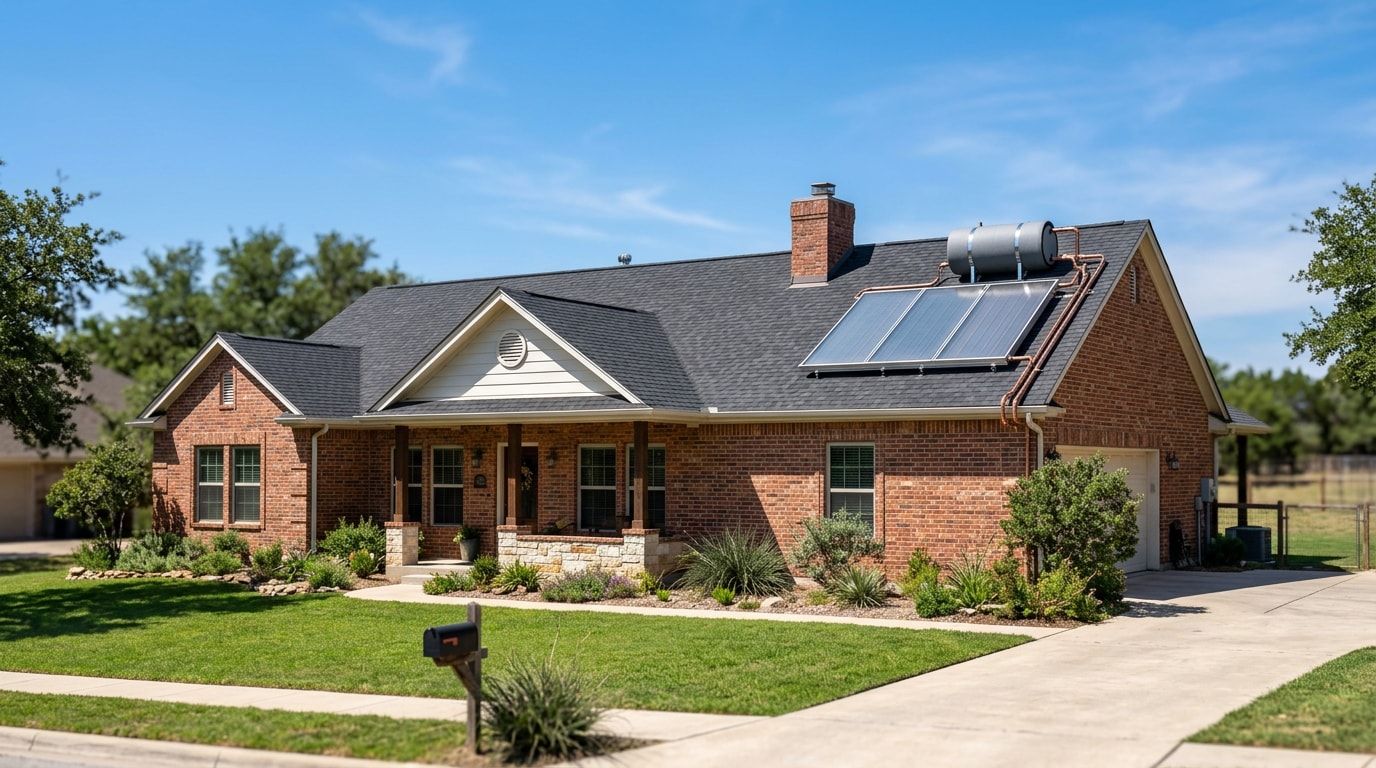
A solar water heating system in Hearne, TX uses rooftop collectors and an insulated tank to pre-heat your household water before it reaches a backup gas or electric unit. Local sun exposure is strong enough to make the math work for a lot of homes here, but 2026 brought a real change to the incentive picture that most guides haven't caught up on yet. Here's what actually applies to your project this year, not last year's numbers.
How Solar Water Heaters Work
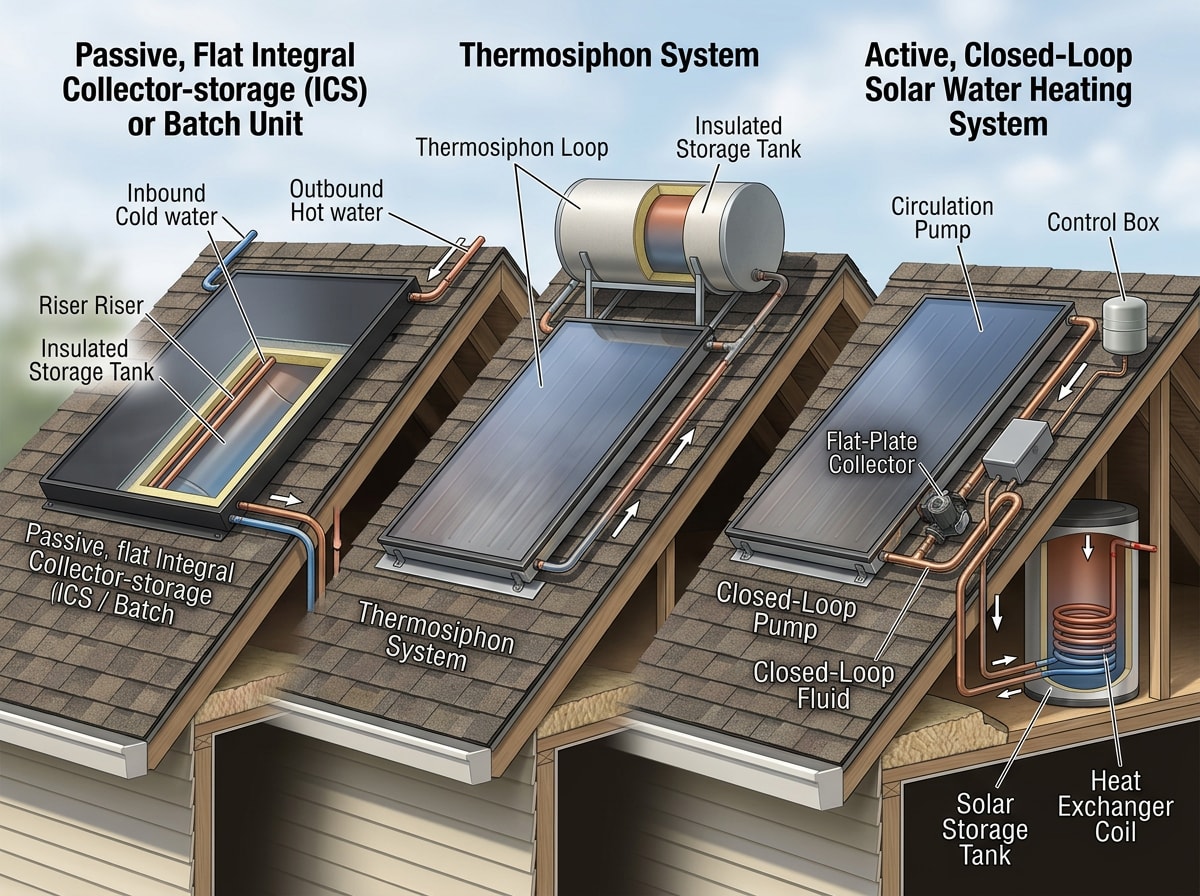
Every system has two core parts: a solar collector mounted on the roof and an insulated storage tank. Sunlight heats a fluid in the collector, and that heat transfers into your water supply through an inlet and outlet connection on the tank. Some homes use one tank for both collection and storage, while others pair a dedicated solar tank with a conventional backup heater for cloudy stretches.
Types of Solar Water Heaters
The three common configurations behave very differently in Central Texas weather, which matters more here than in a climate that never sees a hard freeze.
| System Type | How It Moves Heat | Freeze Protection | Best Fit for Hearne |
|---|---|---|---|
| Integral Collector Storage (ICS / batch) | Combines collector and tank into one rooftop unit, no pumps | Weak; needs added protection | Homes prioritizing simplicity, low winter freeze exposure |
| Thermosiphon | Passive natural circulation; hot water rises, cold sinks | Moderate | Homes wanting zero electricity use |
| Active (direct or closed-loop) | Pump circulates water or heat-transfer fluid | Strong in closed-loop/glycol design | Homes wanting reliable year-round output through winter cold snaps |
An ICS system is simple because it has no pumps or controls, but batch collectors heat water in dark tanks or tubes within an insulated box, storing water until drawn, and water can remain in the collector for long periods if household demand is low, making it very hot . Thermosiphon systems rely on the fact that hot water rises naturally, so no external pump is needed to move water through the loop. Active systems add a pump, and closed-loop active systems use a non-freezing fluid loop, which transfers heat from the sun to water in a storage tank and makes sense in freezing climates , a relevant detail since Hearne does see occasional hard freezes most winters.
Solar Water Heating System Cost in Hearne, TX (2026)
Installed cost for a residential solar water heater typically runs $3,000 to $9,000, depending on system type, tank size, and how much re-plumbing is needed to tie into your existing backup heater. Active closed-loop systems sit at the higher end because of the pump, controller, and freeze-protection fluid. ICS and thermosiphon systems cost less upfront but offer less protection during a January cold snap.
Factors that move the price in either direction:
- System type — passive designs cost less than pumped, closed-loop systems.
- Roof condition and orientation — a south-facing roof in good repair keeps labor costs down.
- Tank size — larger households need bigger storage, which raises material cost.
- Backup heater integration — tying into an existing gas or electric unit is cheaper than installing a new one.
- Permitting and plumbing code compliance — mixing valves and isolation valves add modest labor but are non-negotiable.
If a new backup heater is part of the project, pricing that out separately with a new heater installation quote helps you see the full picture before committing to a solar add-on.
Federal and Texas Solar Water Heating Incentives in 2026
This is where most solar content online is already out of date. Here's the current status, not the pre-2026 version still floating around.
The Federal Tax Credit No Longer Applies to New Systems
For years, homeowners could claim 30% of installed cost through the Residential Clean Energy Credit (Section 25D). That changed. The 30% Residential Clean Energy Credit (Section 25D) expired December 31, 2025 under OBBBA, so a system you own and place in service in 2026 receives no federal residential credit. If you completed and paid for a qualifying system before January 1, 2026, you may still be able to claim it on your 2025 return using Form 5695, but new 2026 installations don't qualify. The IRS home energy tax credits page is the authoritative source if your installer tells you otherwise.
Texas Property Tax Exemption Still Applies
The good news: Texas's property tax exemption for solar devices is unaffected by the federal change. Under Tax Code Section 11.27, if you install solar panels or a wind turbine on your Texas property, the added value from that equipment is 100 percent exempt from property tax, and you do not pay a dime of property tax on the increased appraised value those devices create . You file Form 50-123 with your county appraisal district, not the state. For Hearne homeowners, that means Robertson County's appraisal district, not the Texas Comptroller's office directly, though the Comptroller's property tax exemption page has the form and guidelines.
No Texas Sales Tax Exemption for Residential Equipment
A claim that circulates often and isn't accurate anymore: Texas does not currently exempt residential solar equipment from sales tax. That exemption was repealed in 1987, so expect to pay the standard state and local sales tax rate on hardware. Don't let a quote that promises a sales tax break go unquestioned.
Utility Rebates Vary and Change Often
Some Texas utilities still run their own solar water heating rebate programs on top of the property tax exemption. CPS Energy in San Antonio has historically listed a Solar Water Heater Rebate among its STEP programs, calculated per kWh of estimated annual savings with a capped maximum payout. Austin Energy has separately run a solar water heating rebate distinct from its PV rebate. Because utility programs get adjusted, paused, or re-funded year to year, confirm current terms directly with your provider, or check the DSIRE incentive database maintained by the DOE-funded N.C. Clean Energy Technology Center, before you build a rebate into your budget.
Ready to see how the current incentive picture changes your numbers? Schedule service and we'll walk through what still applies to your project.
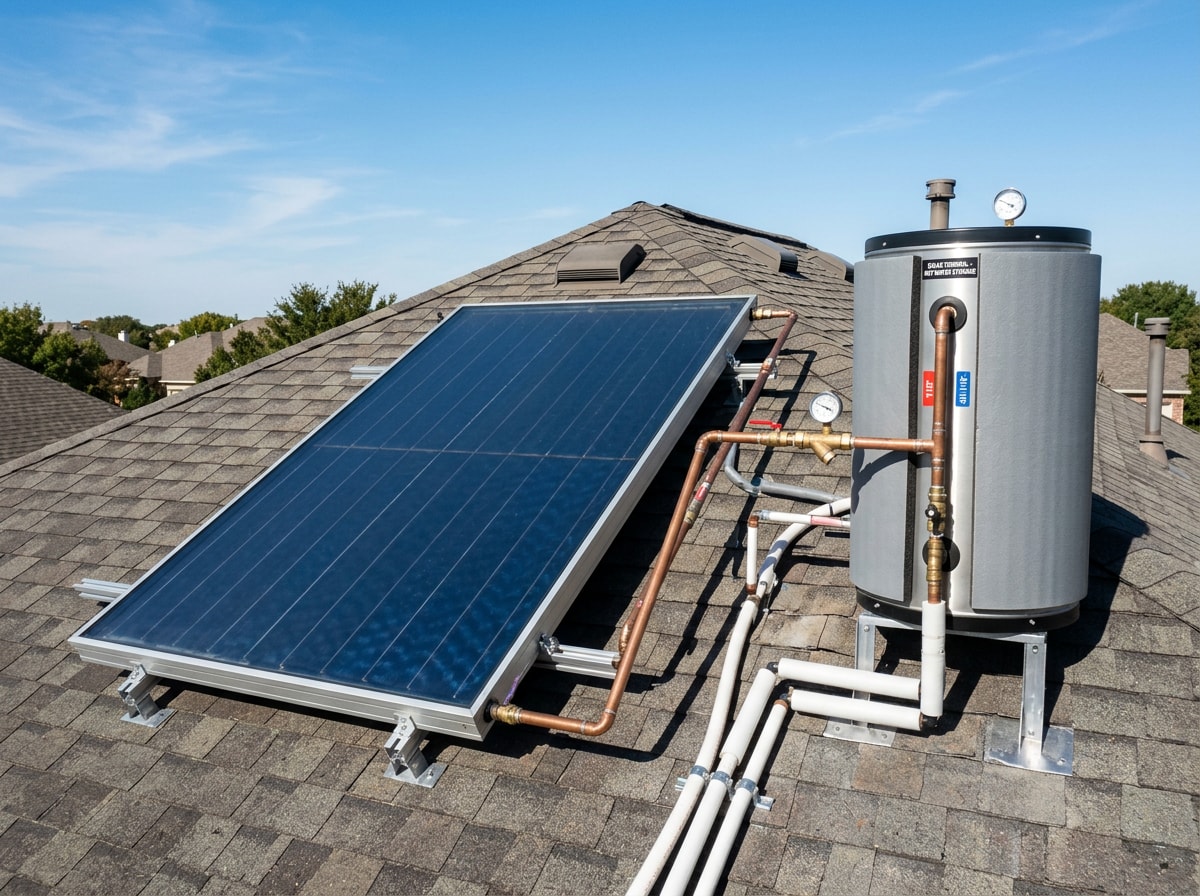
Is a Solar Water Heater Worth It in Hearne, TX?
Hearne sits in the Brazos Valley, and local sun exposure backs up the case for solar thermal here. On average, there are 228 sunny days per year in Hearne, compared to a US average of 205 sunny days. That's meaningfully more usable collector time than most of the country gets, even with Central Texas's humid, occasionally overcast winters. For a broader regional view, NREL's solar resource maps show how direct normal irradiance varies across Texas; Hearne sits closer to the middle of that range than the sun-drenched west Texas desert, but still well above the national baseline.
On our service calls across Robertson and Brazos County, the homes that see the fastest payback are the ones with four or more people showering daily and an electric backup water heater, since electric rates make the offset more visible on the bill than with natural gas. Households with lower hot-water demand stretch the payback period out considerably.
How to Choose a Solar Water Heating Installer
Installers range from dedicated solar thermal companies to licensed plumbers and HVAC contractors who've added solar water heating to their service list. Before you sign a contract:
- Confirm manufacturer certification on both collector and tank (look for SRCC OG-100 or OG-300 ratings).
- Ask for documented local installs, not just out-of-state project photos.
- Get warranty terms in writing for both the collector and the tank separately; they often don't match.
- Verify the contractor pulls a proper plumbing permit in Robertson County and follows Texas plumbing code for mixing valves and isolation valves.
- Ask how the solar system will integrate with your existing backup heater, especially if you're also due for an HVAC inspection on the rest of your home's systems.
If you're weighing solar thermal against other renewable options for the home, our solar air conditioning guide for Bryan, TX breaks down a related technology with its own 2026 cost and incentive picture.
Solar Hot Water System Installation: What to Expect
Installation follows a fairly consistent sequence regardless of which system type you choose:
- Mount the collector in a sun-facing, structurally sound location on the roof.
- Install the storage tank and tie it into existing plumbing.
- Run the piping that transfers heated fluid between collector and tank.
- Connect distribution piping between the tank and household fixtures.
- Install controls and temperature sensors (active systems only).
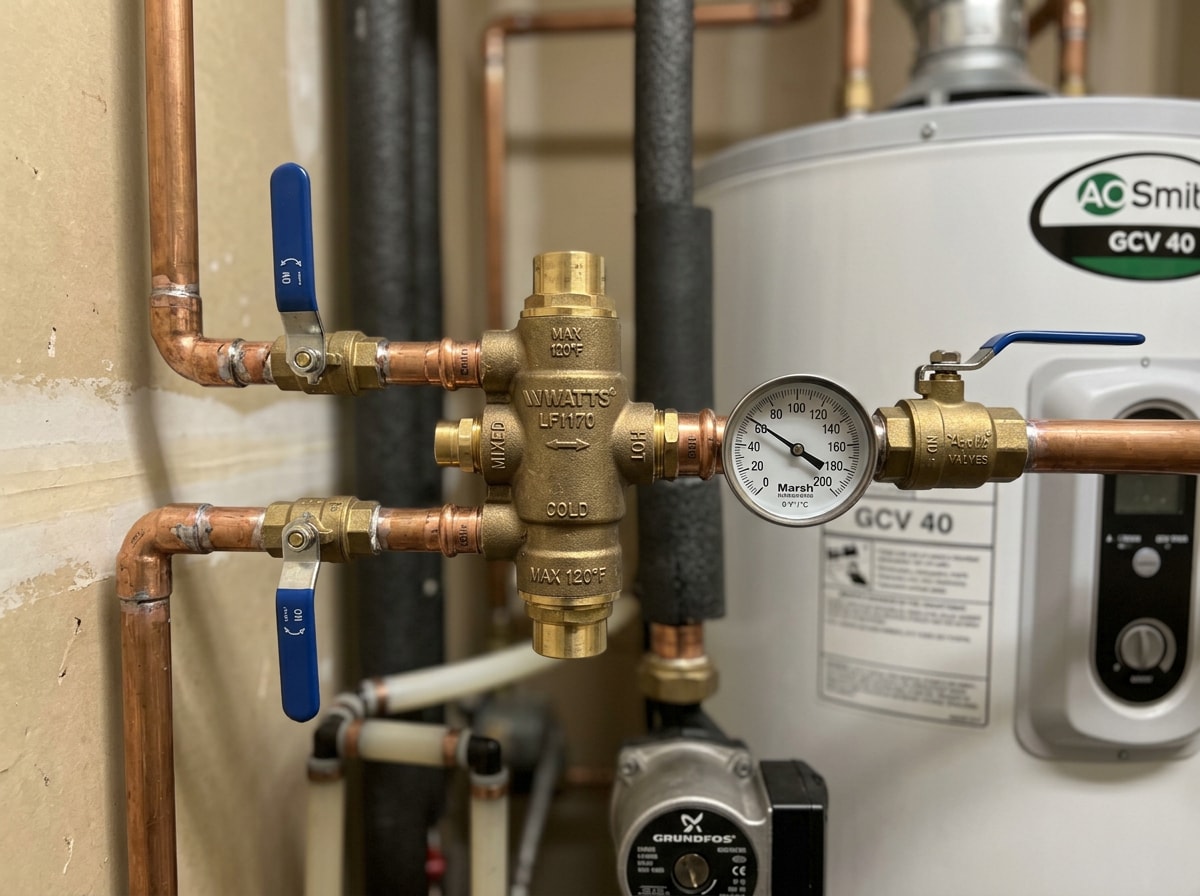
- Test the system and confirm a code-compliant thermostatic mixing valve is in place.
That last step isn't optional. Texas plumbing code requires a thermostatic mixing valve on solar thermal systems to temper water before it reaches your taps, protecting against scalding from an overheated batch tank. This overview is for homeowner understanding only. Permitting and code compliance should go through a licensed installer familiar with local requirements.
FAQ
Are solar water heaters worth it in Hearne, TX?
For most homes, yes, especially with Hearne's above-average sun-hour count and a household with four or more daily hot-water users. Savings scale with usage, so low-demand households see a slower payback.
How long do solar water heaters last?
Most systems last 15 to 20 years, with collectors often outlasting the storage tank. Routine maintenance and freeze-protection quality affect how long components actually hold up in Central Texas winters.
How much does a solar water heater cost installed?
Expect $3,000 to $9,000 installed depending on system type, tank size, and backup heater integration. Active closed-loop systems cost more upfront but hold up better through hard freezes.
Is there still a federal tax credit for solar water heaters in 2026?
No, not for new installations. The 30% Residential Clean Energy Credit expired for property placed in service after December 31, 2025. Only systems completed and paid for before that date may still qualify when filing.
Does Texas still offer any solar water heating incentives?
Yes. The property tax exemption under Tax Code Section 11.27 remains active and exempts the full added home value from property tax. There is no residential sales tax exemption, and utility rebates vary by provider and should be confirmed directly.
What are the disadvantages of a solar water heater?
Higher upfront cost, roof space and sun-exposure requirements, and the need for a backup heater during extended cloudy stretches are the main trade-offs. Freeze-prone installations need extra protection for Central Texas cold snaps.
Do solar water heaters work in freezing temperatures?
Yes, with the right design. Closed-loop systems using a non-freezing fluid protect plumbing during occasional hard freezes, which is why freeze protection should be a specific conversation with your installer rather than an assumption.
---
About the Author: This guide was reviewed by the technical team at Advantage Cooling & Heating, a licensed HVAC and home energy contractor serving Hearne, TX and the greater Brazos Valley, including College Station, TX and Bryan, TX. Our technicians handle backup heater installation and integration work alongside solar water heating projects across Hearne, TX. Questions about your specific home? Contact us to schedule a service visit.