The best heating and air conditioning unit for a College Station, TX home isn't a single brand or model, it's the system matched to Brazos Valley heat, humidity, and the occasional hard freeze. Cooling equipment here runs nearly nine months a year, so efficiency, humidity control, and correct sizing matter more than any label on the box. This guide breaks down heat pumps versus central air, which SEER2 ratings are worth paying for, and when a ductless system beats a full replacement.
The Quick Answer for Brazos Valley Homes
For most College Station homes, the strongest all-around pick is a dual-fuel setup: a heat pump rated 15.2 SEER2 or higher paired with gas backup heat for the rare hard freeze.
- Already have ductwork and a working furnace? A heat pump with gas backup usually beats a straight AC-and-furnace swap on long-term operating cost.
- Building new or replacing both systems at once? Compare heat pump and central-AC-plus-furnace quotes side by side using the same SEER2 tier.
- Adding onto the house or cooling one stubborn room? A ductless mini-split often solves the problem faster and cheaper than extending ductwork.
A correctly sized HVAC inspection before you buy anything will tell you which of these fits your actual home, not just the climate.
Heat Pump vs. Central AC: Which Wins for Your Home?
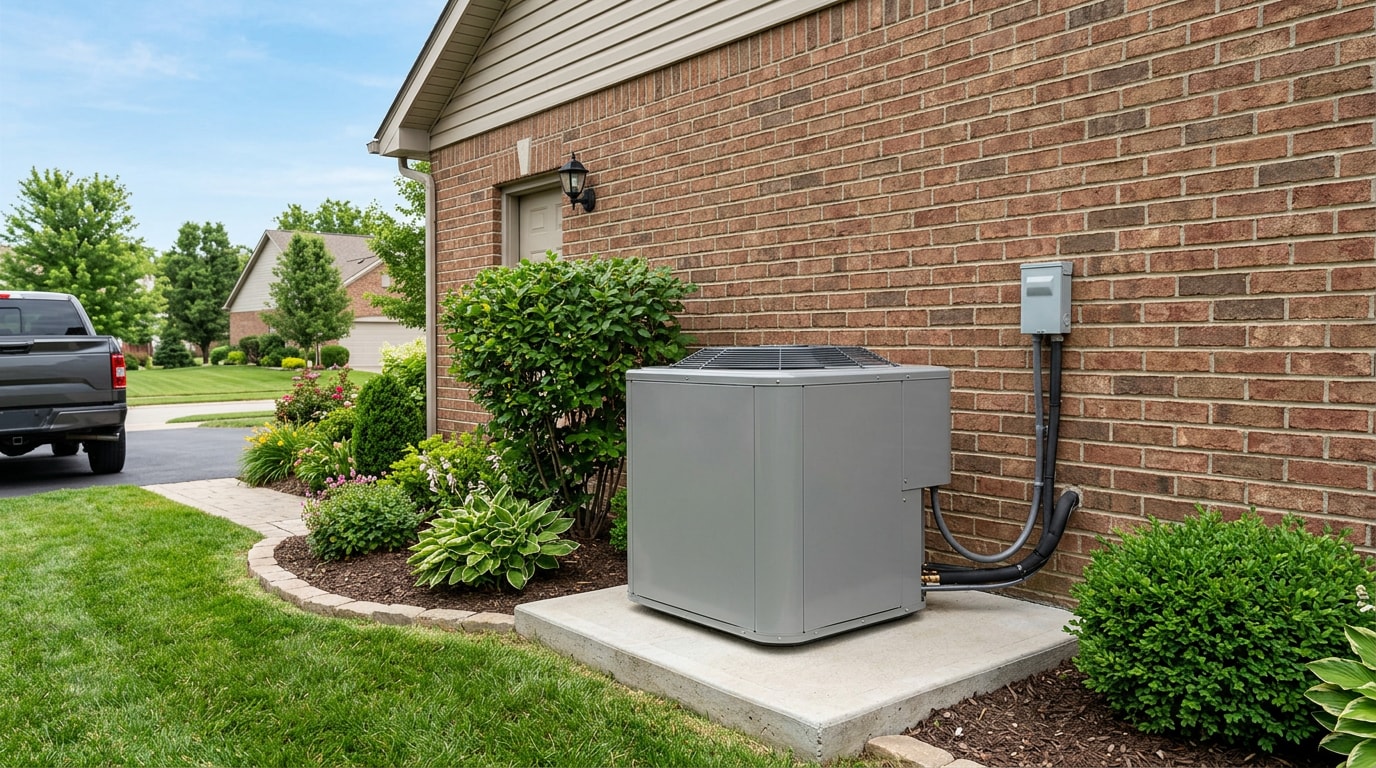
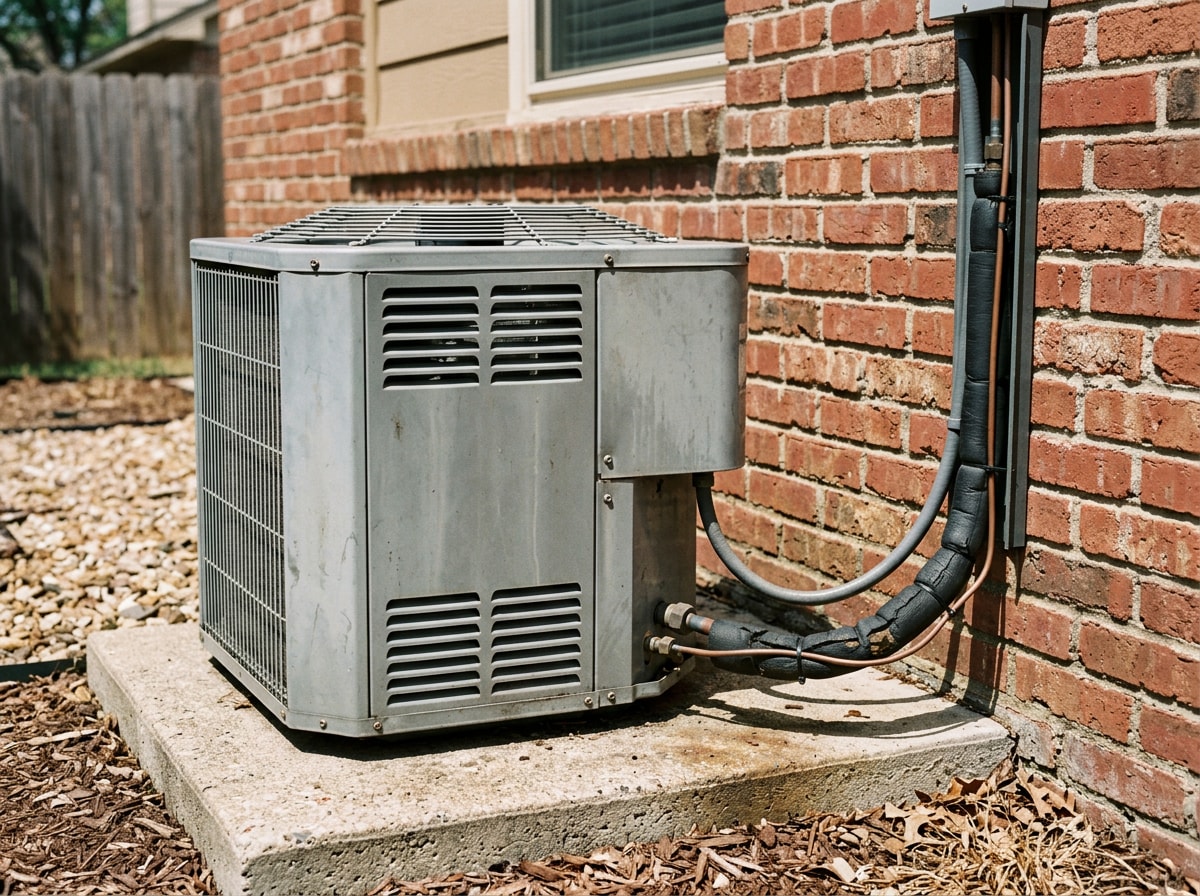
The mechanical difference is simple. A heat pump moves heat in both directions, cooling the house in summer and pulling warmth from outside air in winter. A central AC system only cools, so it has to pair with a separate furnace for heat.
Central AC plus a furnace suits traditional setups well:
- Strong cooling and strong heating performance in one pairing
- Familiar technology most local technicians have serviced for decades
- Higher combined upfront cost since you're buying two systems
A heat pump suits most Brazos Valley homes because winters here rarely stay cold for long:
- Cools and heats with one outdoor unit
- Lower operating cost through College Station's mild winters
- May need backup heat strips or a gas furnace for the occasional hard freeze
| Factor | Central AC + Furnace | Heat Pump (dual fuel) |
|---|---|---|
| Summer cooling performance | Strong | Strong |
| Winter heating cost | Higher | Lower |
| Upfront equipment cost | Higher (two systems) | Moderate |
| Best fit | Homes replacing both systems at once | Homes wanting one system for both jobs |
Many Brazos Valley homeowners land on a dual-fuel system, a heat pump paired with gas backup, since it covers both extremes without overbuilding for winters that rarely stay cold long. Our Heat Pump Furnace Guide for College Station, TX Homeowners walks through how that pairing switches over automatically during a freeze. If you're ready to compare options for your own house, our team handles both new AC installation and new heater installation.
SEER2 and EER2: The Efficiency Numbers That Actually Matter
SEER2 is the number most homeowners compare first, and in a climate like College Station's it carries more weight than in milder regions since cooling systems run nearly nonstop for months.
SEER2 stands for Seasonal Energy Efficiency Ratio 2, and a higher number means lower energy use over a full cooling season. Texas falls inside the Department of Energy's Southeast region, where central air conditioner energy conservation standards vary by region, applying based on the kind of air conditioner installed and when and where it is installed . That regional rule sets a higher efficiency floor for split-system AC here than in northern states, which is one detail most buying guides skip entirely.
A few practical benchmarks:
- 14.3 SEER2 is the regional minimum for new split-system air conditioners under 45,000 Btu/h installed in Texas.
- 15.2 SEER2 and up is where meaningful energy savings start to show on monthly bills.
- 18-20+ SEER2 represents premium, often variable-speed, equipment.
EER2: The Metric That Matters on 100°F Afternoons
SEER2 measures efficiency averaged across an entire cooling season. EER2 measures efficiency at one fixed, extreme outdoor temperature, usually 95°F, which matters a lot on a Brazos Valley afternoon in August. A unit with a strong EER2 number holds its efficiency exactly when the system is working hardest, not just on the mild days that pull the seasonal average up.
Homeowners who want to verify a specific model's certified ratings can check it against the Department of Energy's own air-source heat pump buying guidance, which lists current efficiency criteria for both heat pumps and central air conditioners.
The Humidity Factor in Cooling Performance
Gulf-adjacent humidity changes what "best" means for Brazos Valley homes compared to drier parts of the state. A system can cool the air and still leave a home feeling damp and sticky if it isn't removing moisture effectively.
Variable-speed compressors address this directly. These systems run longer at lower power instead of blasting cold air in short, powerful bursts. Longer, gentler runtime pulls more moisture out of the air per cycle, which keeps indoor comfort steadier between cooling bursts.
Indoor humidity has a direct, sourced target: indoor relative humidity should be kept below 60 percent, ideally between 30 percent and 50 percent, if possible , according to EPA mold-prevention guidance. A system that can't hold that range, no matter how high its SEER2 rating, isn't the right fit for this climate.
Ductless Mini-Splits for Flexible Comfort
A ductless mini-split often becomes the better choice for room additions, garages, or homes without existing ductwork, rather than a whole-home replacement. It delivers zoned cooling and heating to specific rooms without the cost or disruption of extending ductwork through a house.
Mini-splits also suit homeowners tackling one problem room, like a sunroom that never cools evenly with the rest of the house. Because each zone runs independently, you only condition the space you're actually using.
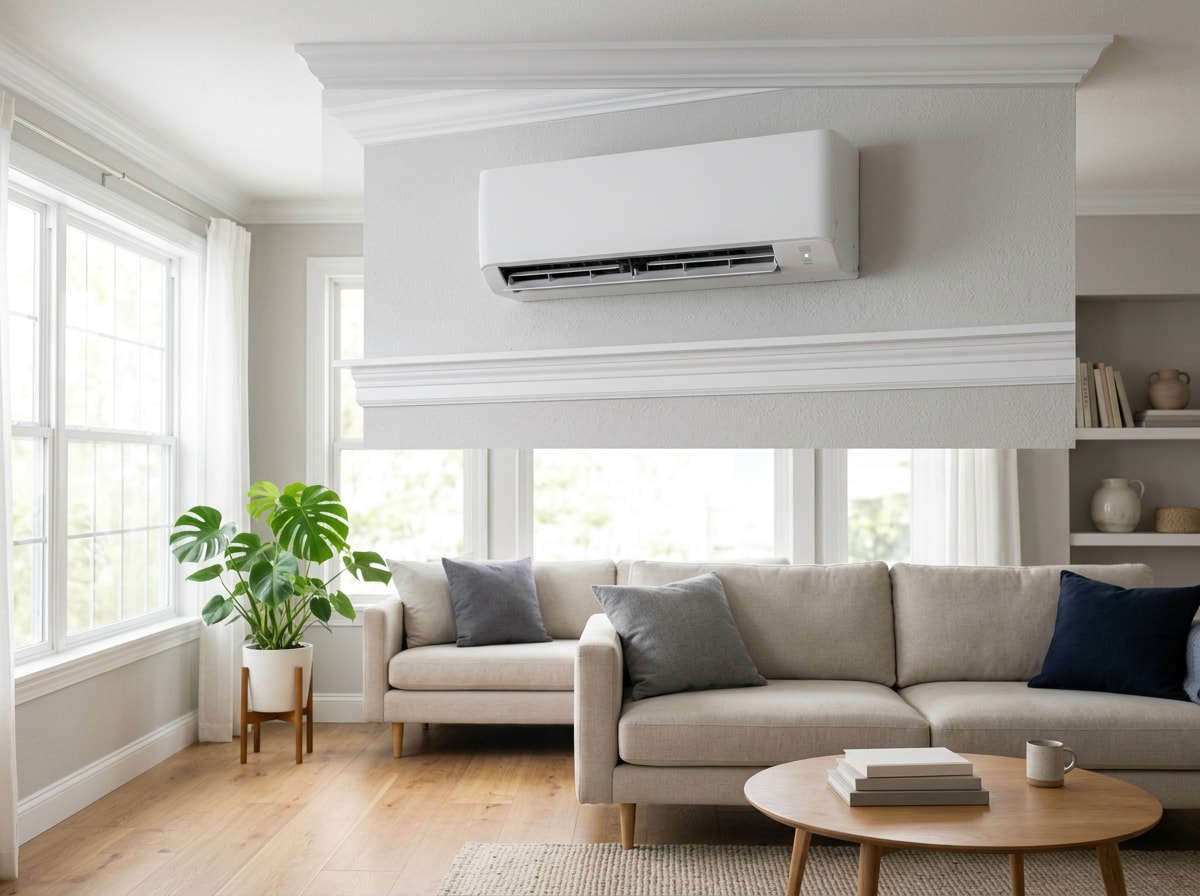
A mini-split is a strong complement to a central system in most homes, not usually a full replacement for one. If a no-ductwork solution fits your situation, our HVAC Contractor services page covers installation options, or you can schedule service to talk through your specific layout.
Sizing Beats Brand Every Time
A premium, high-SEER2 unit that's the wrong size for your home will underperform a mid-tier unit that's sized correctly. An oversized system short-cycles, cools fast but never runs long enough to pull out humidity. An undersized one runs constantly and still can't keep up on the hottest afternoons.
Correct sizing comes from a load calculation, not a square-footage guess, that accounts for insulation, window orientation, duct condition, and local design temperatures. This is the step homeowners skip most often when comparing quotes, and it's usually the biggest difference between a system that lasts and one that struggles from day one.
Before buying anything, an HVAC inspection on your existing equipment and ductwork gives you real numbers to compare quotes against, instead of guessing based on the size of the last unit.
Protecting Whatever You Choose
Even the best-matched system loses efficiency without upkeep. Coils get dirty, refrigerant charges drift, and filters clog, all of which push SEER2-rated equipment well below its rated performance within a few seasons.
A seasonal HVAC tune-up twice a year catches most of this before it turns into a repair call. Homeowners who want one less thing to track often set up an HVAC maintenance agreement that bundles both visits. For system-specific care, our AC maintenance and heater maintenance plans cover the two halves separately if that fits your setup better.
You can see examples of completed installations and tune-ups across the Brazos Valley on our projects page, including systems set up for the exact heat-and-humidity combination this area deals with every summer.
If you're in College Station and ready to compare options for your specific home, schedule service with our team and we'll walk the property before recommending anything. You can also start from our homepage to see the full range of services we offer across the area.
FAQ
What SEER2 rating is best for a home in this climate?
Aim for 15.2 SEER2 or higher. The regional minimum for new split-system air conditioners in Texas is 14.3 SEER2, but going a tier above that floor delivers real savings during College Station's long, intense cooling season, often offsetting the added upfront cost within several years.
Should I choose a heat pump or central AC?
For College Station's mild-winter, hot-summer climate, a heat pump often makes sense since it handles both heating and cooling without needing a separate furnace. Homes that still prefer a traditional setup, or that want a dedicated gas furnace for backup heat, may do better with central air paired with a furnace instead.
Is a backup heat source necessary if I choose a heat pump?
In most of Texas, a heat pump alone covers winter heating needs. Backup or dual-fuel heat still makes sense for the occasional hard freeze, since auxiliary heat keeps the system from straining on the coldest nights of the year.
How much does a new heating and cooling system cost?
Cost depends heavily on system type, tonnage, ductwork condition, and SEER2 tier, so the only reliable number is a written quote based on a load calculation for your specific home. A home comparing options should get that calculation done before comparing any dollar figures between contractors.
What size AC unit do I need for my home?
Size is based on a Manual J load calculation, not square footage alone. Insulation quality, window count and orientation, ceiling height, and duct condition all change the correct tonnage, which is why two similarly sized homes can need different equipment.
How long does a heating and air conditioning unit typically last?
Central air conditioners typically last 15 to 20 years and furnaces typically last 15 to 20 or more years , while heat pumps most commonly last 10 to 15 years, with some reaching 20 , due to year-round use. Regular maintenance through a seasonal HVAC tune-up helps a system reach the upper end of these ranges.