Mini split AC repair in Brenham, TX usually comes down to one of four culprits: restricted airflow, a dirty filter, a refrigerant problem, or a clogged drain line. Knowing which one you're dealing with before you call saves time and, sometimes, the cost of a truck roll. Here's how to tell the difference and what a repair visit actually involves.
Signs Your Mini Split Needs Repair
Mini-split issues generally fall into four categories: airflow, noise, moisture, and electrical faults.
- Weak or warm air often signals a dirty filter, a blocked outdoor condenser, or low refrigerant.
A clogged filter is the #1 reason a mini split stops cooling well, choking airflow across the indoor coil.
- Rattling or buzzing can mean a loose fan blade or a failing compressor part.
- Water pooling near the indoor head usually points to a clogged drain line, which can cause the unit to run inefficiently or shut off entirely.
- An error code on the display flags a specific fault worth noting before you call for AC repair services.
Quick Checks Before You Call
Work through these in order. Most "no cooling" calls get resolved in the first three steps.
- Confirm the mode and setpoint. A unit stuck in Fan or Dry mode blows air without cooling it.
- Check the indoor filter.
The washable mesh filter behind the front panel is the most common cause of reduced cooling performance.
- Clear the outdoor unit. Leaves, grass clippings, and debris around the condenser block heat rejection and cooling stops.
- Look for ice on the indoor coil or lines. A frozen coil is a symptom, not the root cause, and it usually traces back to restricted airflow or low refrigerant.
- Check the breaker. No power to the outdoor unit means no cooling at all.
On Brenham service calls, the frozen-coil complaint is almost always a dirty filter problem rather than a failed compressor, which is why the filter check comes before anything involving refrigerant.
If the system still won't cool after these checks, the next step is a professional diagnostic rather than more guesswork.
What a Mini Split AC Repair Visit Includes
A typical repair visit covers diagnostics, refrigerant leak detection and repair, electrical troubleshooting, and drain line clearing for homes throughout Brenham, TX.
| Repair Type | What It Addresses |
|---|---|
| Diagnostic inspection | Pinpoints which of the four fault categories (airflow, noise, moisture, electrical) is causing the issue |
| Refrigerant leak repair | Locates and seals leaks, then recharges the line set |
| Electrical troubleshooting | Checks the signal wire between indoor and outdoor units, capacitors, and the control board |
| Drain line clearing | Removes clogs causing water pooling or auto shutoff |
Emergency Mini-Split Repair
A no-cooling system during a Texas heat wave, an active refrigerant leak, or an electrical failure all call for emergency mini split repair. Urgent ductless repair requests are typically prioritized because a warm house in July or August isn't something that can wait.
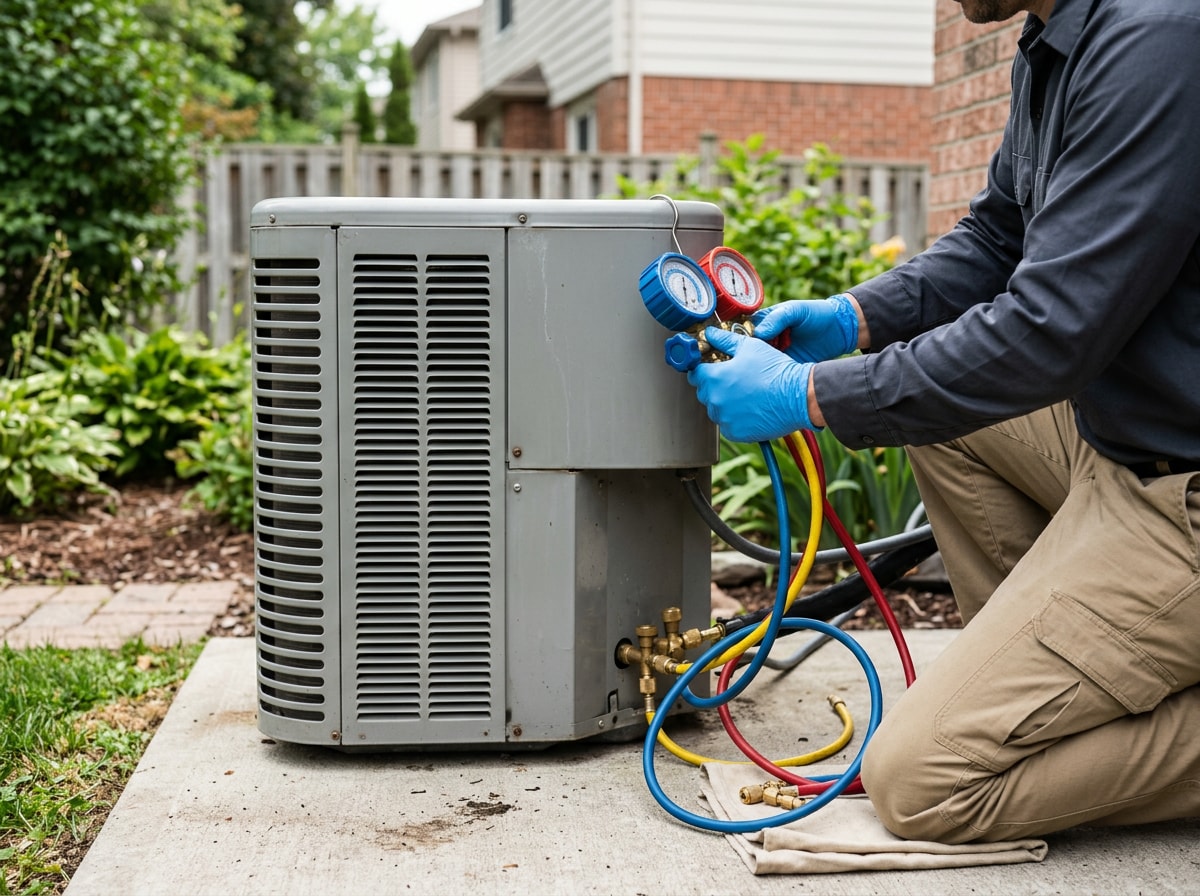
EPA regulations under Section 608 of the Clean Air Act require that technicians who service equipment with refrigerants be certified , which is why refrigerant leak repairs should always go through a licensed professional rather than a DIY recharge.
What Is a Ductless Mini-Split System?
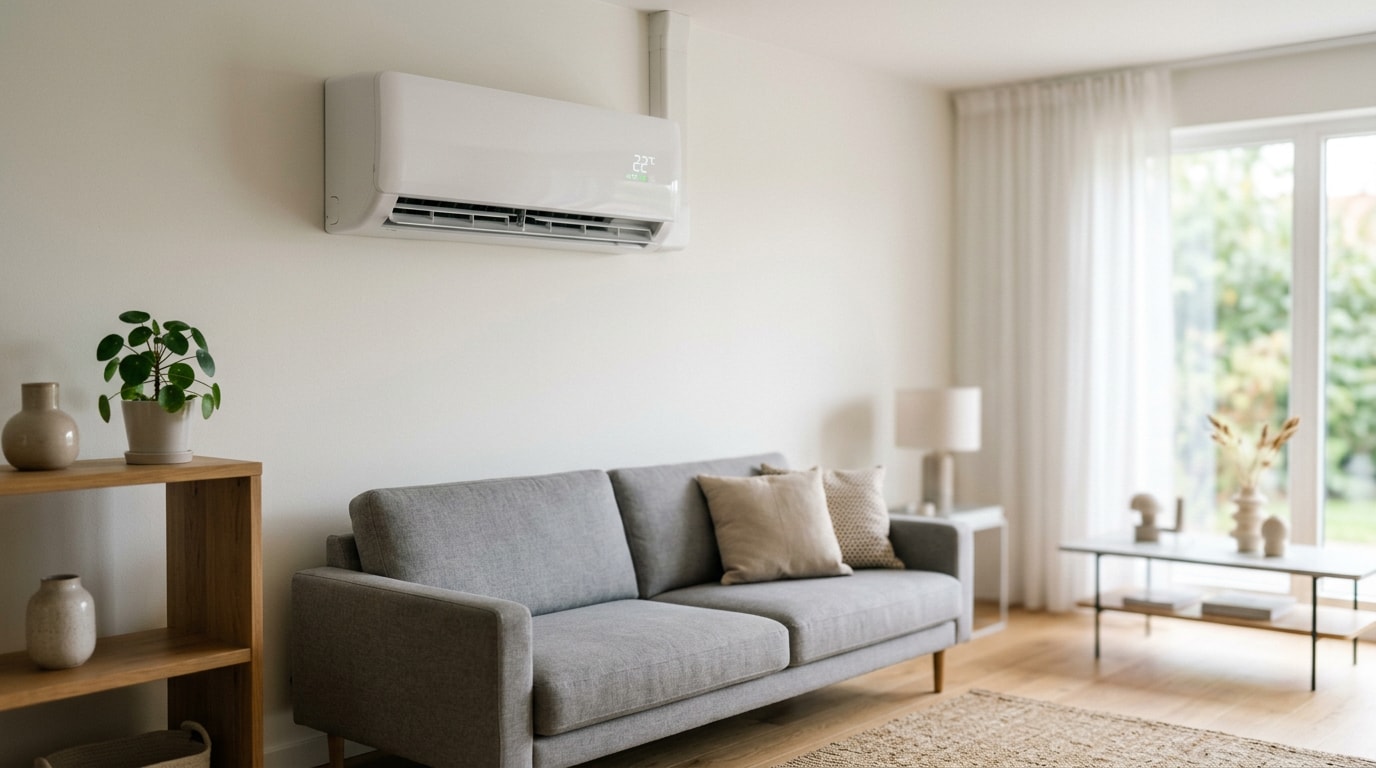
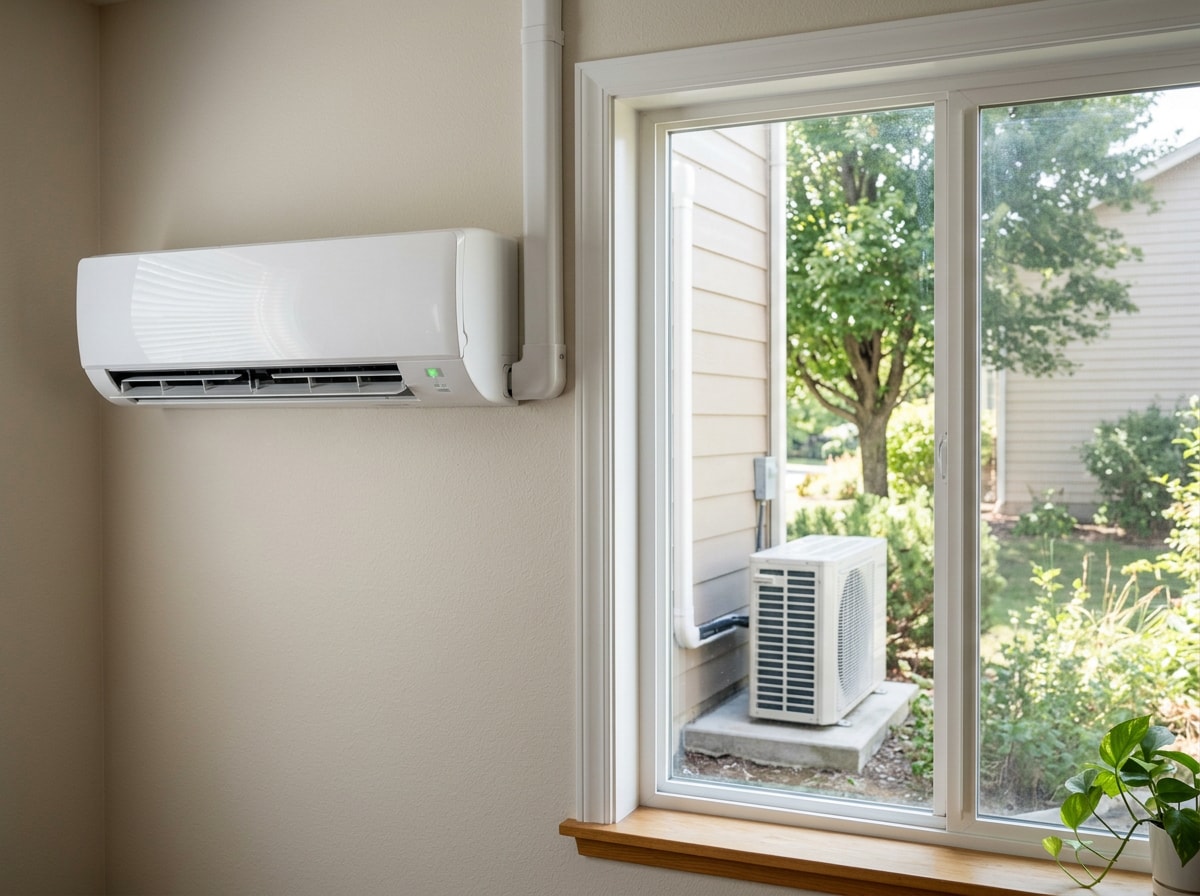
A ductless mini split pairs an indoor unit with an outdoor condenser, connected by a thin conduit, with no ductwork required. Many older Brenham homes and additions use this setup since running traditional ducts isn't always practical. Mini split heat pumps do not need ductwork in order to be installed, instead mounting directly onto an interior wall or ceiling with an accompanying outdoor unit.
Pros and Cons of Ductless Mini-Split Systems
Weighing ductless AC pros and cons helps before deciding whether to repair or replace an aging unit.
| Pros | Cons |
|---|---|
| Zoned cooling lets each room run at its own temperature | One indoor unit typically conditions only its own zone |
| Skips major ductwork installation | Whole-home coverage requires multiple indoor heads |
| Can use up to 60% less energy than standard home electric radiators
| Needs routine filter and coil care to hold that efficiency |
Mini splits also avoid the energy losses from ductwork, which can account for more than 30% of a home's energy use for space conditioning in ducted systems. For more background, the U.S. Department of Energy's ductless mini-split guide covers sizing and efficiency basics.
Is a Mini-Split Right for Your Property?
Mini splits remain a practical no-ductwork cooling solution for Brenham properties without central air, including room additions, converted garages, and older homes where new ductwork isn't cost-effective. If a current unit is struggling, the space may still be well-suited for ductless cooling. The problem is often a fixable component, not a reason to replace the whole system. Visit the Advantage Cooling & Heating homepage to review comfort options for your property.
Mini-Split Maintenance to Prevent Future Repairs
Routine filter cleaning, coil checks, and seasonal tune-ups help prevent repeat breakdowns. Skipping mini split maintenance tends to raise repair frequency and cost over time, since built-up dirt forces the system to work harder. A consistent ductless AC tune-up schedule, backed by an AC maintenance plan, helps catch issues before they turn into no-cooling calls. Homeowners dealing with related soft-start or compressor strain issues in the area can also read about AC soft start options in Brenham, TX.
Ready to get a ductless system back on track? Schedule service and a technician will walk through diagnostics before any repair begins.
FAQ
How often should I schedule maintenance for my mini-split system?
Most mini splits benefit from an annual tune-up, which helps catch minor wear before it causes an unexpected breakdown. An HVAC maintenance agreement keeps this on schedule automatically.
Can I perform any maintenance tasks on my mini-split myself?
Homeowners can usually handle filter cleaning and clearing debris from around the outdoor unit. Anything involving refrigerant, electrical components, or the control board calls for a licensed technician.
How much does mini-split repair cost?
Cost varies based on the issue and parts involved, from a simple drain line clearing to a refrigerant leak repair. Request a diagnostic visit for an accurate price specific to your system.
Why is my mini split not cooling?
The most common reasons a mini split doesn't cool include incorrect settings, dirty filters, restricted airflow, a blocked outdoor unit, low refrigerant, sensor problems, and electrical faults. Work through the quick-check list above before assuming it's a major repair.
Can low refrigerant cause a mini split to stop cooling?
Yes. Mini-splits rely on refrigerant to absorb heat from inside the home, and when refrigerant is low, usually due to a leak, the system loses its cooling power. This requires a certified technician to locate the leak and recharge the line set.
Why is my mini split freezing up?
A frozen mini split coil or refrigerant line usually indicates an airflow, refrigerant, or mechanical problem. Clearing the filter and outdoor unit resolves many cases; persistent icing points to low refrigerant or a failing component.