
Finding a qualified hvac inspector Bryan, TX homeowners can trust is the easiest way to catch a failing system before it quits on a 100-degree July afternoon. A real inspection digs far deeper than the quick vent check most general home inspectors perform. Here's exactly what gets tested, what it costs in 2026, and how to pick someone who won't miss the problem hiding in your attic.
What Does an HVAC Inspection Include?
An HVAC inspection is a diagnostic evaluation of your heating, cooling, and ventilation equipment, not a repair visit. A technician checks the system as a whole instead of responding to one known complaint.
This is very different from the HVAC portion of a standard home inspection. A general home inspector usually flips the thermostat on, confirms air moves through the vents, and moves on. A dedicated HVAC inspection goes further, measuring refrigerant charge, testing electrical connections, and verifying airflow across the entire system from the return grille to the outdoor condenser.
HVAC Inspection Checklist: What a Technician Actually Checks
A proper inspection in Bryan covers more ground than most homeowners expect. Because of our long cooling season and humidity, drainage and airflow checks matter more here than in drier climates.
A thorough inspection typically includes:
- Thermostat calibration and programming accuracy
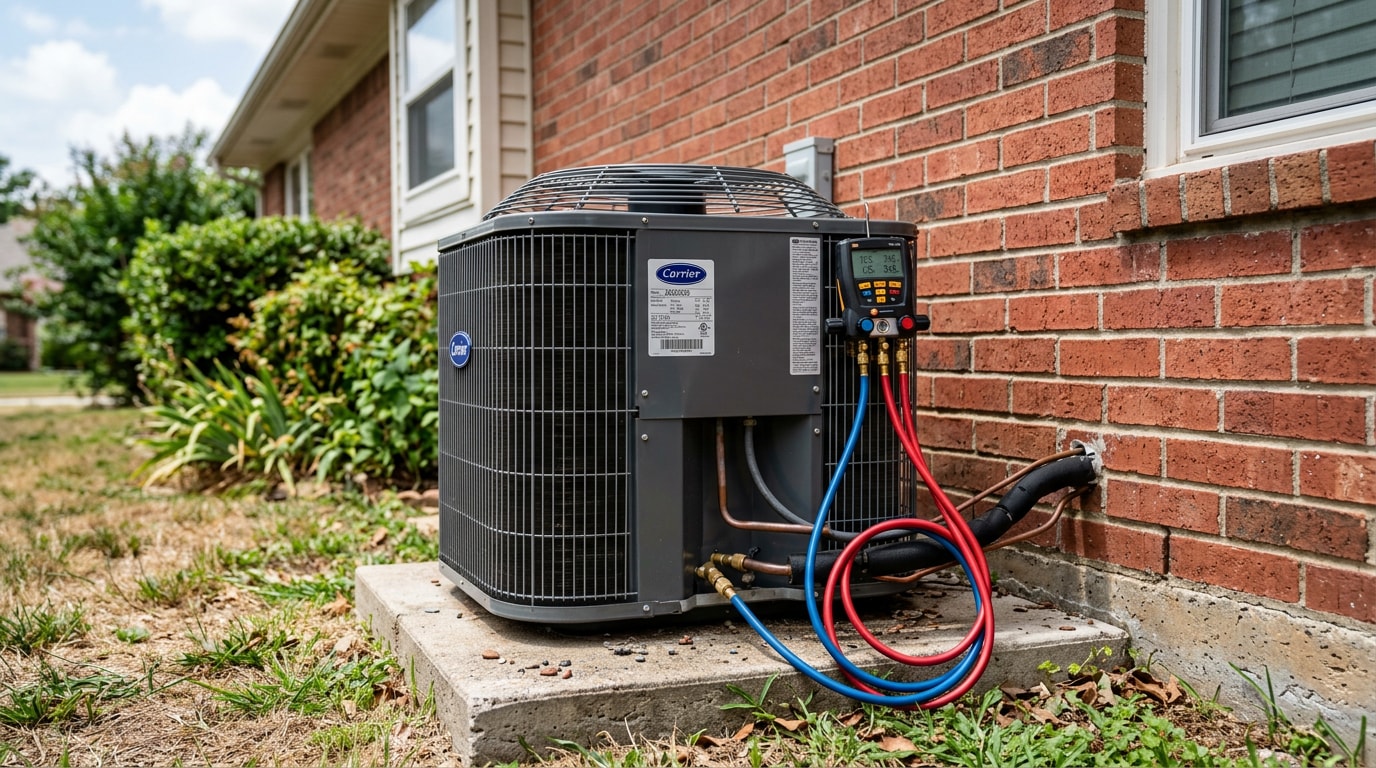
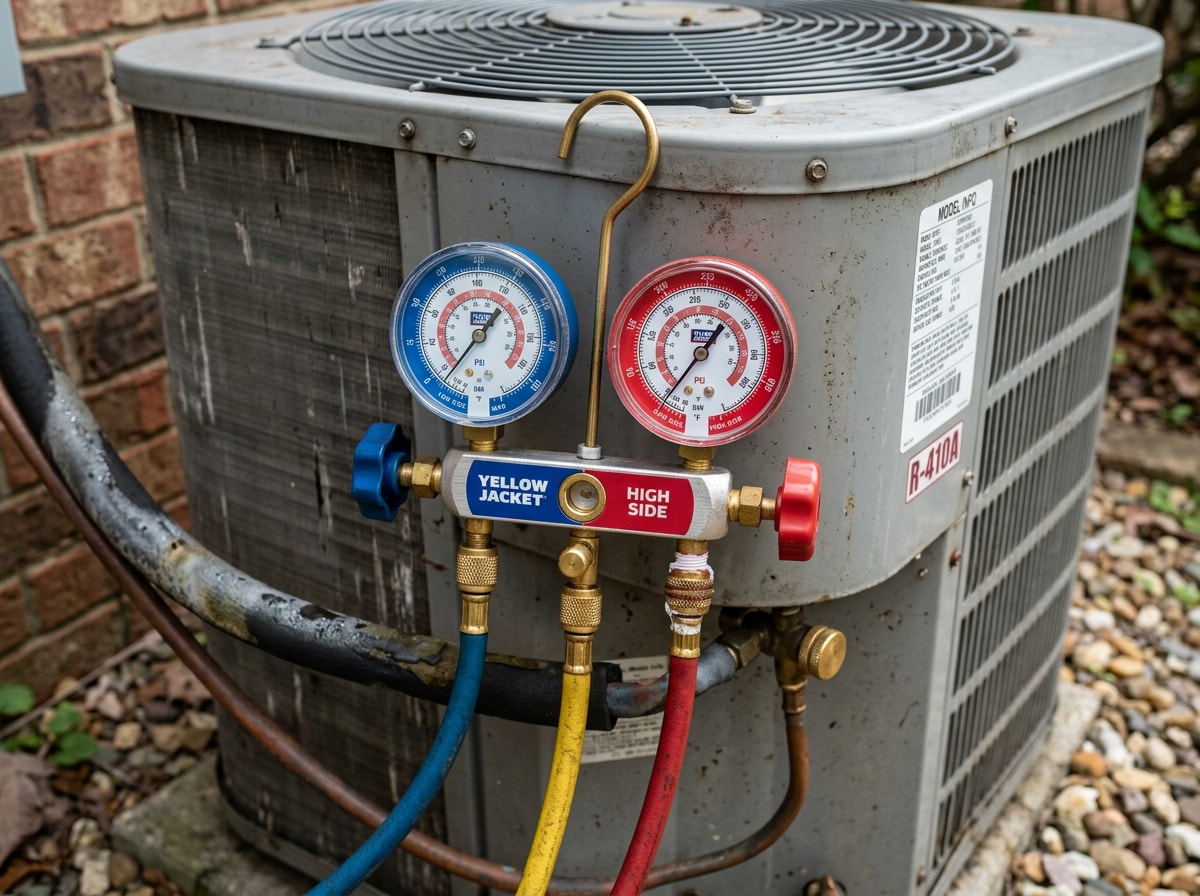
- Refrigerant charge and system pressures
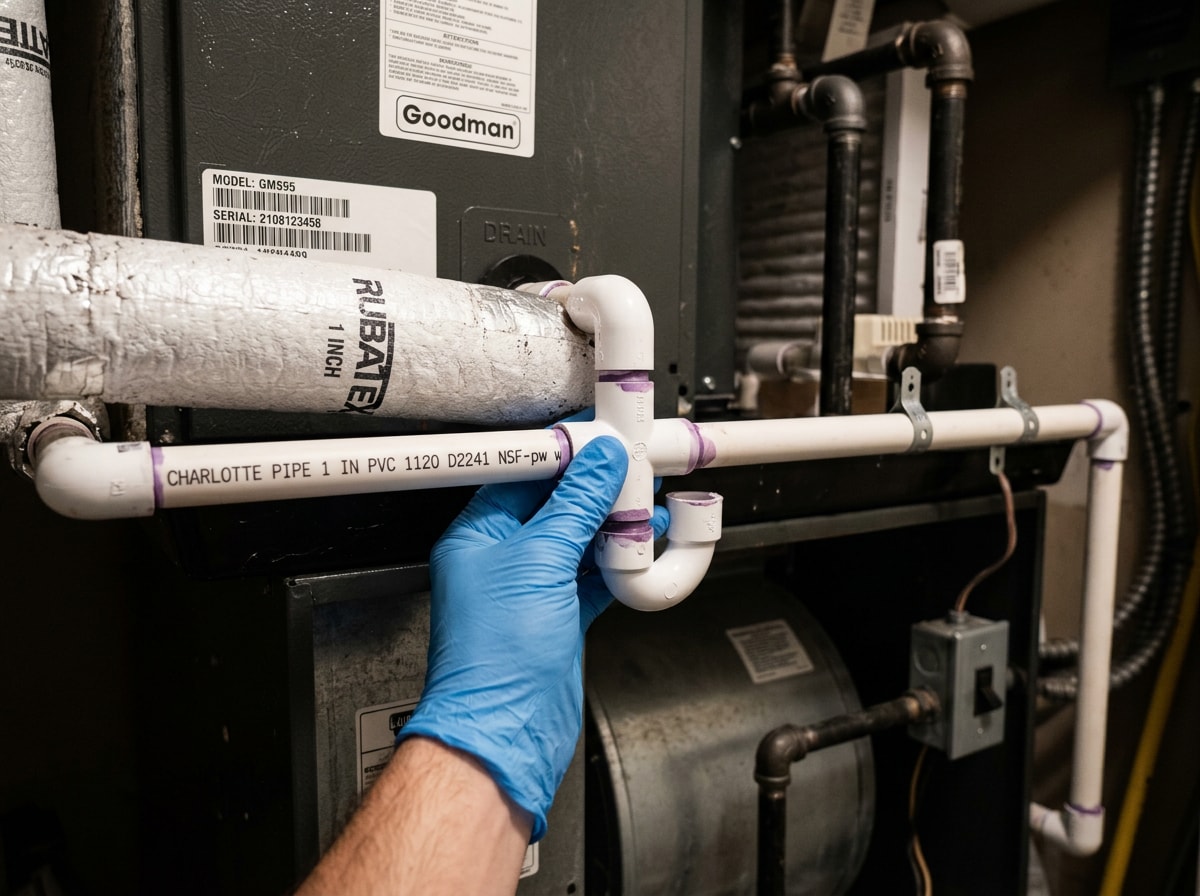
- Condensate drain line condition (clogs are common in humid climates like ours)
- Electrical connections, breakers, and disconnects
- Airflow volume and ductwork inspection for leaks or disconnections
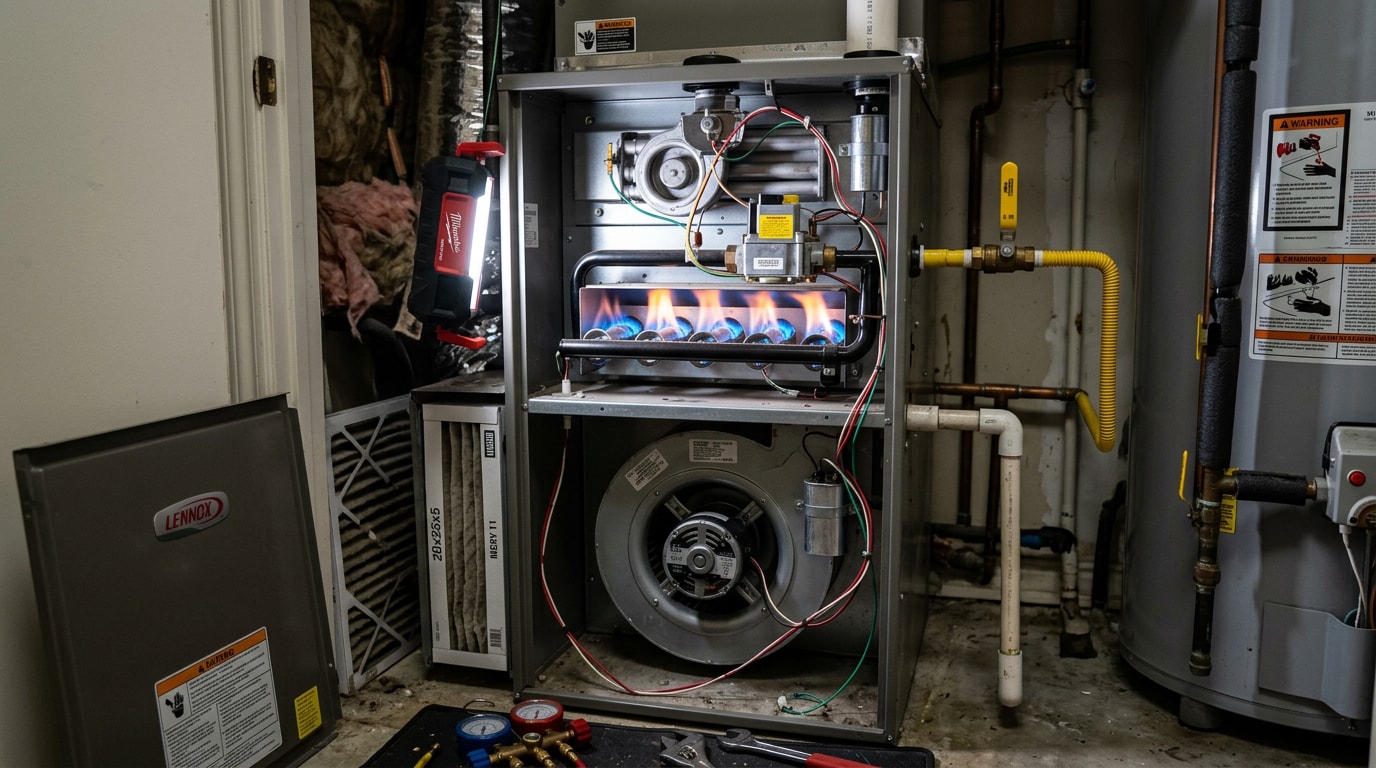
- Furnace heat exchanger, ignition, and venting safety checks
- Filter condition and a recommended replacement schedule
Industry standards back this up. ACCA's Quality Installation Specification is an ANSI-recognized standard that identifies the industry-specified steps a contractor should take, along with acceptable procedures for measuring and documenting compliance. That standard is a useful benchmark when you're comparing what one company's "inspection" includes versus another's.
Our Advantage Cooling & Heating technicians complete HVAC inspections across Bryan and the surrounding Brazos Valley year-round, and attic-mounted air handlers with crushed or disconnected flex duct are consistently the most common hidden issue we find in homes built before the mid-2000s. It's the kind of problem a thermostat glance will never catch.
If you want the full breakdown of what's tested and why, our HVAC inspection service page walks through the process step by step. Homeowners with a furnace-specific concern can also see our furnace inspection details.
How Much Does an HVAC Inspection Cost in Bryan, TX?
Pricing varies by system size, access, and whether you're inspecting one component or the whole system. Based on published 2026 regional data for Texas and nearby Gulf Coast markets with similar climates, here's what to expect:
| Inspection Type | Typical Cost Range |
|---|---|
| Standard AC inspection | $75 – $155 |
| Furnace inspection | $80 – $130 |
| Full HVAC inspection (AC, heat, ducts) | $150 – $450 |
| HVAC add-on to a general home inspection | +$100 – $200 |
Having an AC inspection beforehand is an important element of your air conditioner's maintenance, and you can expect to pay anywhere from $80 to $155 on air conditioning inspection costs. For furnace-specific work, a furnace inspection typically includes an inspection of the filters, fans, and burners and runs $80 to $100. For a comprehensive inspection covering the full system, most HVAC inspections cost between $200 and $440, or $320 on average, though homeowners can spend anywhere from $65 to $500 depending on location, system size, and inspection type.
A quote that's noticeably lower than these ranges is worth double-checking. Make sure it actually includes refrigerant and electrical testing, not just a visual walkthrough. Ask for an itemized breakdown before you book.
HVAC Inspection vs. Home Inspection: Why They're Not the Same
This is the part most homeowners get wrong. A general home inspector's job is to assess the entire house in a few hours, so the HVAC portion is necessarily brief. A dedicated HVAC inspector spends that same amount of time on the system alone.
If you're buying or selling, this distinction matters for more than comfort. Texas doesn't legally require a standalone HVAC inspection before a home sale, but sellers do have disclosure obligations. The Seller's Disclosure Notice is required by sellers of previously occupied single-family residences and contains information required to be disclosed under Section 5.008 of the Texas Property Code regarding material facts and the physical condition of the property. A pre-listing HVAC inspection gives you documentation to back up what you disclose, and it can prevent a buyer's inspector from finding a surprise that stalls your closing.
Why Hire a Licensed, Local HVAC Inspector in Bryan, TX
Licensing means the technician has met state training and safety requirements, which protects you if findings ever need to hold up in a real estate negotiation. It's also your assurance that the person under your attic knows what a code violation actually looks like.
A local inspector brings something a national directory listing can't: direct familiarity with the duct designs, slab styles, and climate stress common to homes in the Brazos Valley. Look for someone who can show:
- A track record of completed inspections in the Bryan–College Station area
- NATE certification or equivalent technical credentials
- A written, itemized report (not a verbal summary)
- Flexibility to schedule around your availability
Our technicians serve Bryan and College Station directly, so we see the same duct layouts and attic conditions repeatedly rather than guessing at them for the first time.
When to Schedule Your HVAC Inspection
Contractors get busy once summer and winter arrive, so it's best to schedule a checkup of the cooling system in the spring and the heating system in the fall. Given Bryan's long cooling season, treat a spring inspection as the minimum, with a fall furnace check before temperatures drop.
If you'd rather not track the calendar yourself, a seasonal HVAC tune-up or an HVAC maintenance agreement builds both visits into one plan automatically. For homeowners curious about what a full commissioning-level check looks like beyond a basic inspection, our HVAC commissioning guide for Hearne, TX covers the more technical testing process in detail.
Ready to get on the schedule? Contact Advantage Cooling & Heating to book your HVAC inspection, or visit our homepage to see the full range of services we offer across the Brazos Valley.
FAQ
What's included in an HVAC inspection?
A thorough inspection covers the thermostat, refrigerant charge, electrical connections, condensate drainage, airflow, ductwork, and a visual check of both the furnace and cooling unit. A quick visual walkthrough without pressure testing or electrical checks isn't a complete inspection.
How much does an HVAC inspection cost in Bryan, TX?
Expect $75 to $155 for a standalone AC check, $80 to $130 for a furnace inspection, and $150 to $450 for a full-system inspection covering both heating and cooling plus ductwork. Costs rise with system size and the number of units on the property.
How often should I get an HVAC inspection?
Twice a year is ideal in Texas: once before cooling season in spring and once before heating season in fall. If you can only manage one visit annually, schedule it in spring before the summer heat hits.
Is an HVAC inspection required to sell a house in Texas?
No, Texas law doesn't require a standalone HVAC inspection before a sale. Sellers are required to complete a disclosure notice covering the condition of major systems, including HVAC, so an inspection gives you documentation to support what you disclose.
What's the difference between an HVAC inspection and a tune-up?
An inspection is diagnostic: it identifies problems without necessarily fixing them. A tune-up includes that same diagnostic work plus minor maintenance like cleaning coils, tightening connections, and clearing the drain line on the spot.
What questions should I ask before hiring an inspector?
Confirm licensing and certification, ask exactly what's covered in the scope of work, request a written report, and ask whether you can walk through the inspection with the technician in person.
How do I prepare my home for an inspection?
Make sure utilities are turned on, clear physical access to the HVAC unit and attic, and fix any obviously broken components beforehand. A little prep helps the inspector work efficiently and avoid delays or return visits.