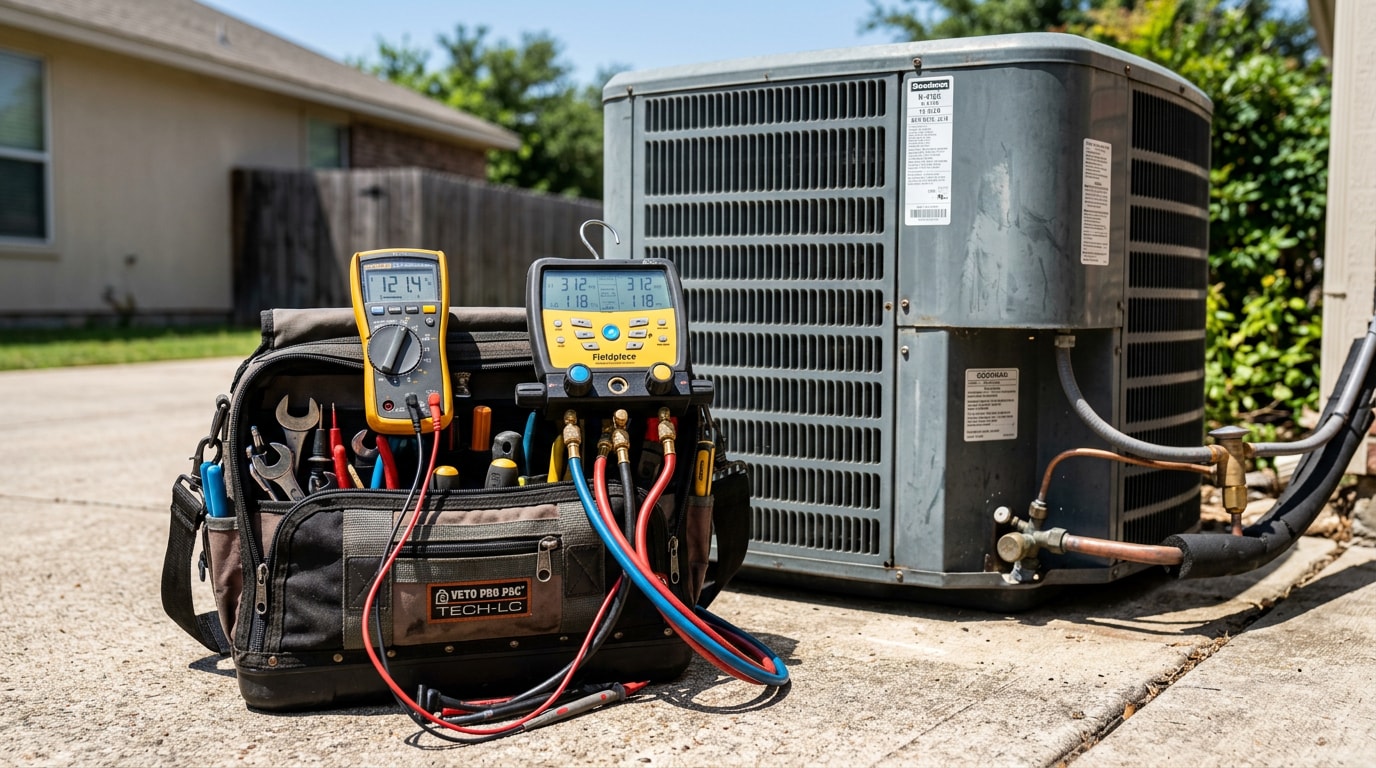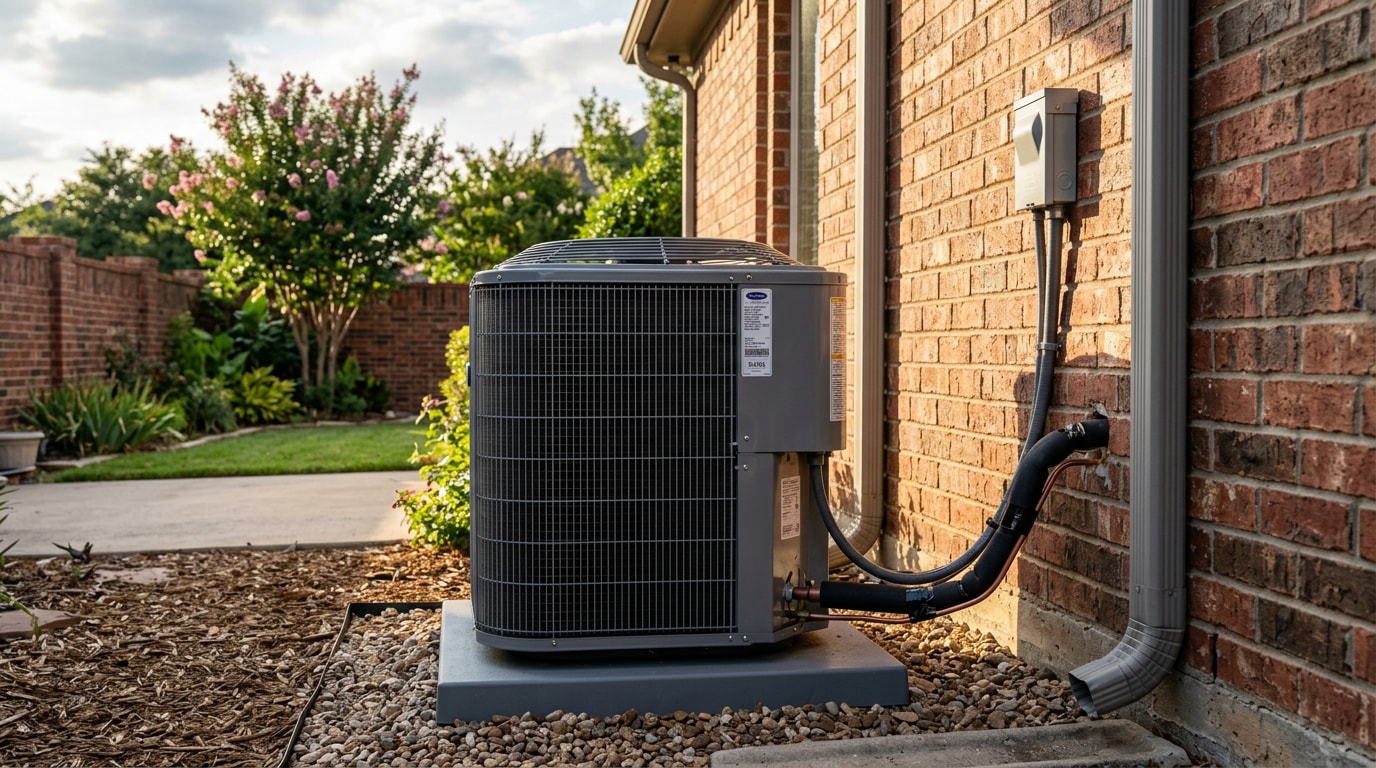
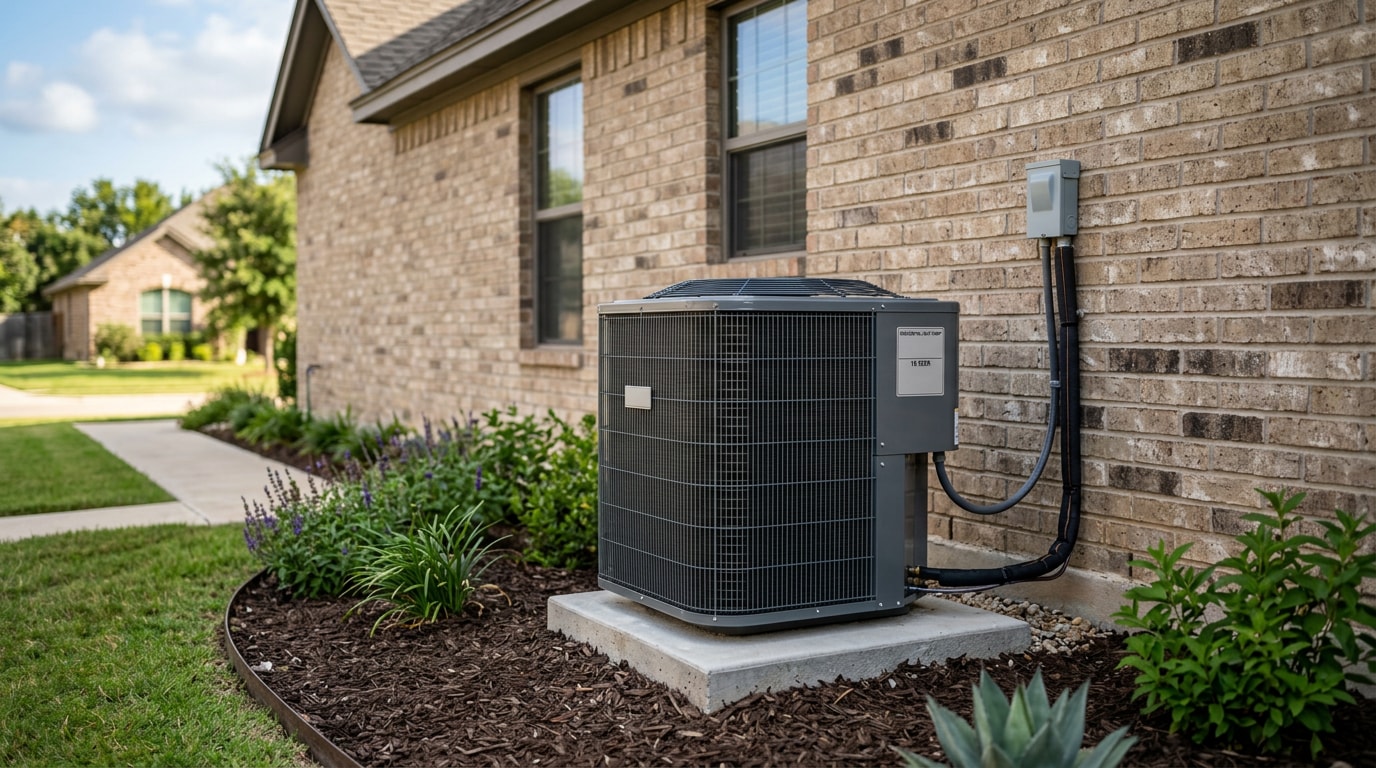
A heat pump furnace comparison is the first step most College Station homeowners need before replacing a worn-out heating system. The right choice depends on your home's ductwork, your gas access, and how many nights actually dip below freezing here. This guide breaks down the furnace vs. heat pump decision in plain terms, then walks through installation, maintenance, and the 2026 cost picture.
Not Sure What Kind of Heating You Have?
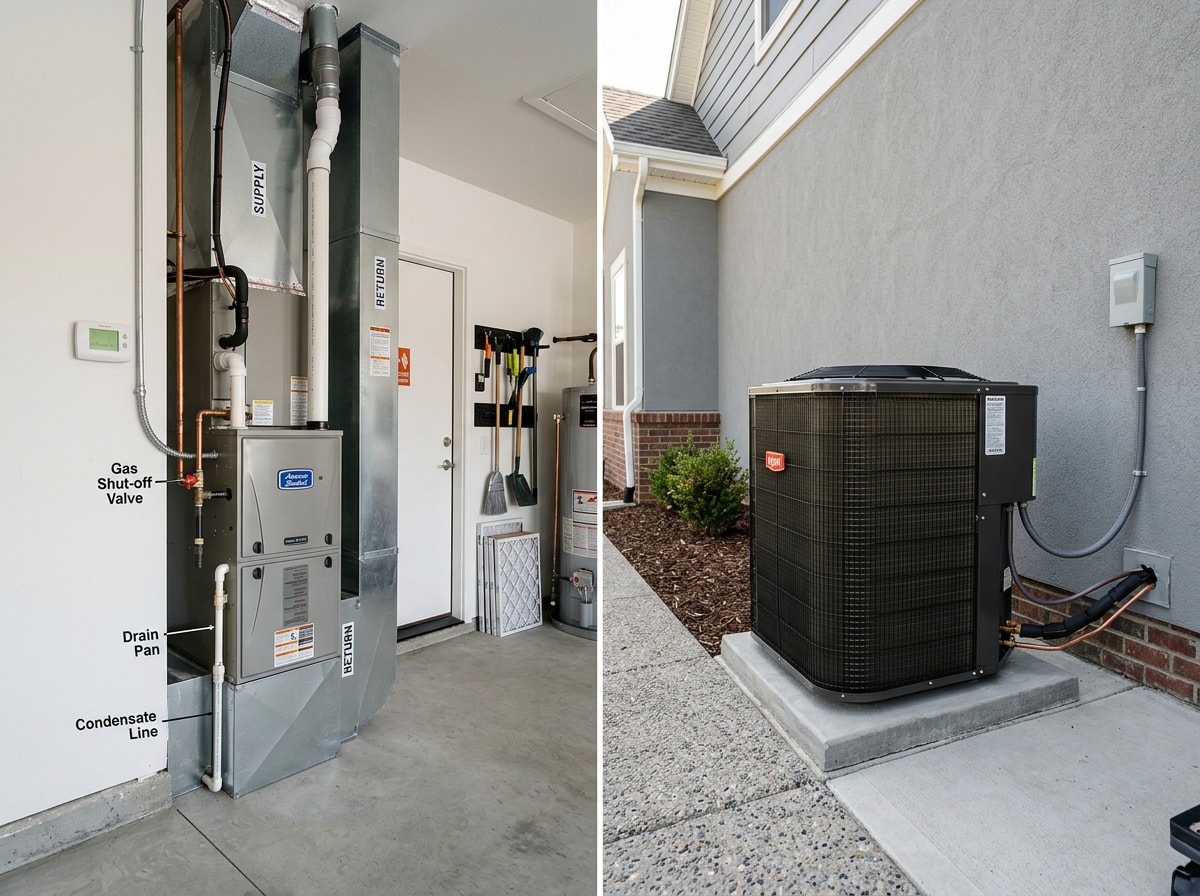
Plenty of homeowners can't say for certain whether their College Station heating system is a gas furnace, a heat pump, or a heat pump furnace combination. The quickest way to find out is to check how the supply air feels and what the outdoor unit does in winter.
Signs You Have a Gas Furnace
- A gas line runs to the indoor unit
- You hear an ignition click or see a brief flame when heat kicks on
- Air from the vents feels distinctly hot, not just warm
Signs You Have a Heat Pump
- The same outdoor unit that cools your home in summer also runs through winter
- Supply air feels warm rather than hot
- The system cycles in long, steady stretches instead of short bursts
Why Heat Pumps Fit the College Station Climate
A heat pump doesn't generate heat the way a furnace does. It moves heat between the indoor air and the outdoor air, pulling warmth in during winter and releasing it during summer. In a climate with mild winters and a long cooling season, that back-and-forth transfer stays efficient most of the year.
An ENERGY STAR certified heat pump provides highly efficient heating and cooling by extracting heat from outside air in winter and pulling heat out of the home in summer, working much like a central air conditioner that also runs in reverse.
In most zones, a heat pump can be installed as a drop-in replacement when either a central air conditioner or a furnace needs replacing. College Station rarely sees the sustained freezing stretches that push a heat pump outside its efficient range, so a single outdoor unit can carry most households through the year. You can read more about the technology on the ENERGY STAR air-source heat pump page.
Types of Heating Systems: Furnace, Heat Pump & Dual-Fuel
Homes around the Brazos Valley run on a handful of setups, each with a different trade-off:
- Gas furnace – Burns natural gas to produce hot air. Reliable, lower upfront cost, needs an existing gas line.
- Electric furnace – Uses resistance heating elements. A fit where gas service isn't available.
- Heat pump – Handles both heating and cooling from one outdoor unit. Especially well suited to moderate climates like ours.
- Dual-fuel system – Pairs a heat pump with a gas furnace backup, combining efficiency with cold-weather reliability.
See our furnace installation page for details on gas and electric furnace options.
Furnace vs. Heat Pump vs. Dual-Fuel: Which Fits Your Home
Picking between a furnace or heat pump comes down to how your home uses energy and how much winter weather you expect to ride out. A heat pump covers heating and cooling in a single system, which suits long summers and short winters while skipping the gas appliance altogether. A dual-fuel system adds a gas furnace safety net for the rare hard freeze.
Here's how the three options generally compare for a typical local home:
| Factor | Gas Furnace | Heat Pump | Dual-Fuel System |
|---|---|---|---|
| Upfront cost | Lowest | Moderate | Highest |
| Monthly operating cost* | Higher in winter months | Lower most of the year | Lowest overall, blends both |
| Typical lifespan | 15–20 years | 12–15 years | Combines both lifespans |
| Cold-snap performance | Strong | Can lose efficiency near freezing | Strong, furnace takes over |
*Actual heating costs vary by home size, insulation, equipment tier, and local utility rates.
Explore our Furnace Repair & Installation services to see which heating option fits your home, or check how we serve College Station, TX specifically.
Advanced Heat Pump Features & Humidity Control
Modern heat pumps go well beyond older single-speed models. A variable-speed heat pump adjusts output in small increments instead of switching fully on or off, using inverter technology to match output to the home's actual load. The result holds steadier temperatures while using less energy to do it.
Because a variable-speed heat pump runs longer at lower output rather than short, high-powered bursts, it also pulls excess moisture from indoor air more consistently. An ENERGY STAR certified heat pump reduces cooling costs compared to conventional room air conditioners , and because there's no combustion involved, no combustion also means better indoor air quality, since there are no direct emissions such as NOx, carbon dioxide, or carbon monoxide.
Certified models must meet the stricter seasonal efficiency thresholds set out in ENERGY STAR's current heat pump specification , which is a higher bar than the federal minimum.
What to Expect During Heat Pump Installation
Our crews follow a consistent process on every heat pump furnace project in College Station:
- Consultation – We review the home and your comfort goals.
- Load calculation – Sizing the system correctly for the square footage and insulation on hand. Oversized or undersized equipment both hurt efficiency, so this step matters.
- Permitting –
A mechanical permit is required to install, enlarge, alter, repair, or replace a mechanical system, with exceptions only for minor parts that don't affect the equipment's safety or approval. You can review the city's requirements on the College Station building permits page. We pull permits on the homeowner's behalf.
- Installation – Work follows manufacturer guidelines, built to get the home comfortable fast.
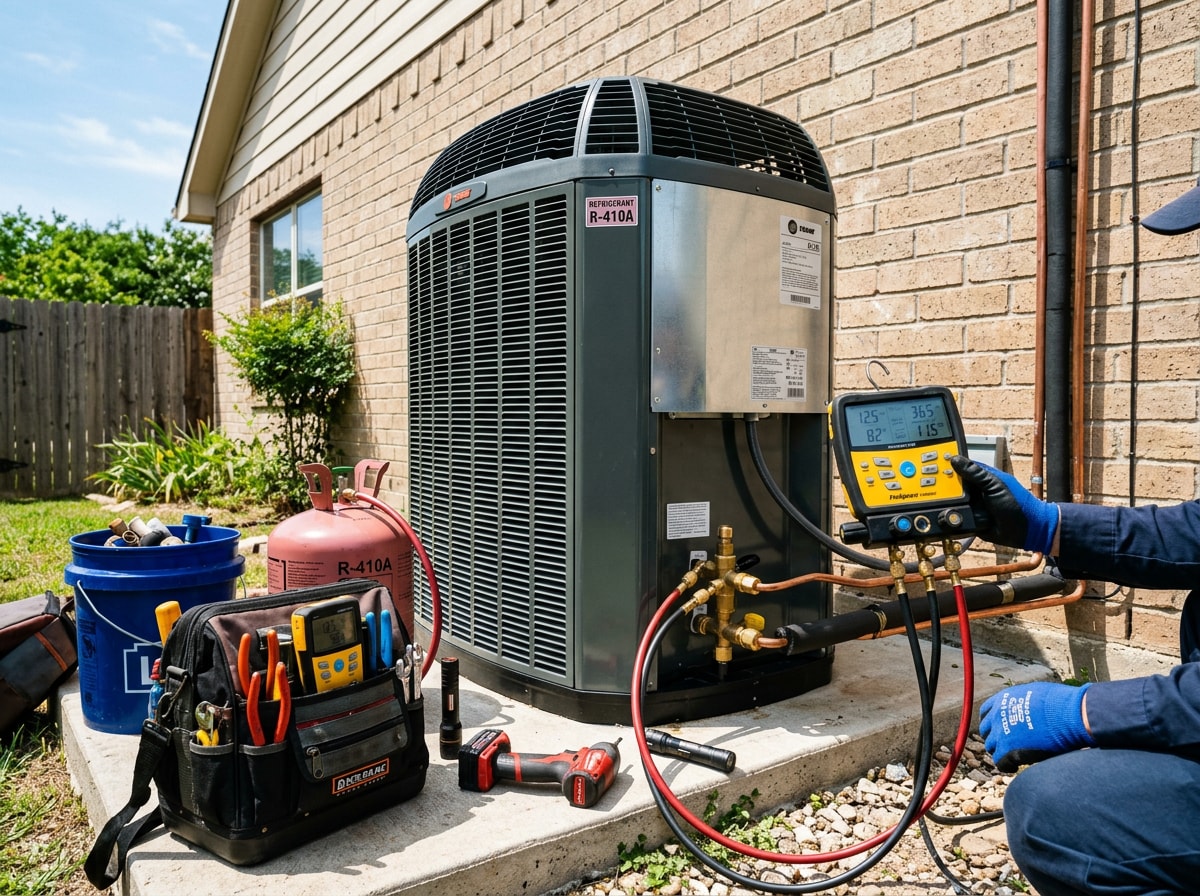
- Startup and testing – Refrigerant charge, airflow, and controls are checked before we leave.
Most homeowners booking a new heater installation want a firm timeline before they commit. A consultation gives you that answer based on your specific home.
Heat Pump Maintenance in a Year-Round Climate
A heat pump runs nearly year-round in this climate, so a tune-up matters more here than in places with a short heating season. A proper visit checks refrigerant levels, electrical connections, the outdoor coil, and airflow, the components that affect system performance and efficiency.
Skipping maintenance tends to show up first as higher bills, then as early part failure. Our HVAC maintenance agreement covers both halves of a heat pump's job, heating and cooling, on one schedule. For a deeper look at what's typically included locally, see our HVAC maintenance agreement guide for College Station.
The 2026 Tax Credit Picture
If you're pricing a heat pump this year, don't budget for the federal credit that used to offset the cost. The Energy Efficient Home Improvement Credit could only be claimed for improvements made through December 31, 2025. That means a heat pump installed in 2026 no longer qualifies for the federal 25C credit homeowners may have heard about. Check with your utility provider instead. Some still offer rebates for qualifying high-efficiency equipment, and those programs aren't tied to the federal deadline.
Ready to compare options for your own home? Schedule service and we'll walk through a furnace, heat pump, or dual-fuel setup based on your ductwork, budget, and how your home actually uses energy. You can also browse recent work on our projects page or learn more about Advantage Cooling before you book.
FAQ
Are Heat Pumps a Good Fit for the College Station Climate?
Yes. The main limitation of a heat pump is sustained deep cold, which this area rarely experiences. For most of the year, a heat pump delivers efficient, consistent heating and cooling from one system.
Should I Choose a Furnace or a Heat Pump?
In the Bryan-College Station climate, heat pumps stay efficient most of the year thanks to mild winters. A dual-fuel system, heat pump paired with a gas furnace backup, gives you both options when you're not ready to rule out a hard freeze.
Can a Heat Pump Replace Both My Air Conditioner and My Furnace?
Yes. A reversing valve lets one system both heat and cool, a component conventional furnace-and-AC setups don't have. That's what allows a single heat pump to replace both appliances.
How Long Does Heat Pump Installation Take?
Most heat pump replacements are completed in one day. Timelines vary depending on home size, ductwork condition, and the specific system being installed, so a consultation gives a more exact estimate.
Is the Federal Tax Credit for Heat Pumps Still Available in 2026?
No. The Energy Efficient Home Improvement Credit expired for equipment placed in service after December 31, 2025. Homeowners installing a heat pump in 2026 should ask their utility about local rebate programs instead.
Do I Need a Permit to Replace My Furnace or Heat Pump in College Station?
Generally yes. The City of College Station requires a mechanical permit for most system installs, replacements, and alterations, with exceptions only for minor part swaps that don't change how the equipment operates. A licensed contractor typically handles this step for you.